

Best Men's Basics for Everyday Wear Australia 2026
Discover the best men's basics for everyday wear. From heavy tees to cargo pants, build a wardrobe that lasts. Explore our 2026 guide and shop now.
Discover the best men's basics for everyday wear. From heavy tees to cargo pants, build a wardrobe that lasts. Explore our 2026 guide and shop now.

Last Updated: September 17, 2026
Building a wardrobe that works every day starts with a simple shift: fewer pieces, better made. Men's basics are the plain, hard-working garments you reach for without thinking, and this guide from Urban Classics breaks down what to buy, how to care for it, and why it lasts.
A capsule approach means you own less and wear more of it. Instead of a drawer full of near-identical tees, you keep a small rotation of pieces that fit well and hold their shape. That is the difference between a wardrobe that fights you every morning and one that just works.
Below, we cover tees, bottoms, care, fit, and cost-per-wear, so you can build a rotation that survives real life.
A capsule wardrobe for men is a small, coordinated set of garments that mix freely, usually built around a neutral palette of black, white, grey, and one or two earth tones. The goal is versatility: every piece should pair with most others.
Start with the foundation.
The best quality men's t-shirts come down to three things: fabric weight, construction, and fit. Get those right and a tee survives a hundred washes without going limp, sheer, or shapeless.
Fabric weight is measured in grams per square metre (GSM), and it is the single fastest way to judge a tee before you try it on.
This is where most guides stop short. In Australia, the right fibre depends on where you live and what your summer actually feels like.
| Tee | Weight & Cut | Best For | Price |
|---|---|---|---|
| Heavy Oversized Tee | Heavyweight, oversized | Everyday streetwear staple | $49.00 |
| Shaped Long Tee | Mid-weight, longline | Layering over bottoms | $49.00 |
| Box Tee | Soft cotton, boxy | Clean minimalist basics | $29.95 |
One honest note: heavier cotton takes slightly longer to dry. That is the trade-off for a tee that keeps its shape instead of going baggy.
Cargo pants and joggers are the workhorses of a basics wardrobe because they cover the full range from lounging to heading out. The right pair holds its shape, sits well through the leg, and pairs with everything above it.

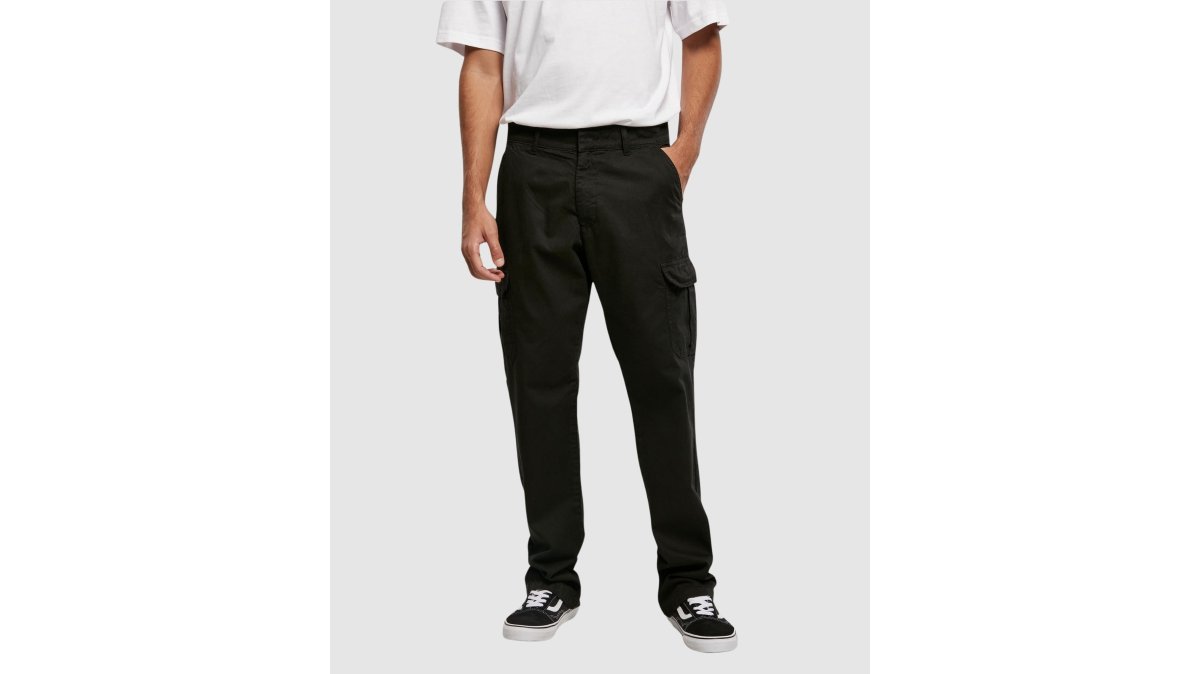
Cotton lasts years if you wash it properly and months if you don't. The two killers are heat and agitation, which shrink fibres and fade dye.
A few habits that make the biggest difference:
The right silhouette is the one that skims your body without clinging or drowning it. Fit is not about the size on a label, it is about how a garment sits on your frame, and most guides assume one build. Here is how to make basics work across the range.
Take three numbers and write them down: chest, shoulder width (seam to seam across the back), and torso length from the base of your neck to your natural waist. Compare those to the garment's flat measurements, not the model's height. A tee that fits a 185 cm frame will not sit the same way on a 170 cm frame even in the same size.
Sizing up for an oversized look when the cut already runs roomy. Buy your normal size first, check the fit guide, and only size up if you genuinely want an exaggerated drape.
Cost-per-wear is the price of a garment divided by how many times you actually wear it. A $49 tee worn twice a week for a year works out to well under a dollar per wear, while a cheap tee that loses shape in a month costs more in the long run.
The hard part of building a basics wardrobe is not finding pieces, it is resisting the urge to buy more of the same. Buy fewer, choose heavier fabric, and care for it properly.
A solid foundation includes heavy-weight tees in neutral colours like black and white, a quality hoody for layering, and versatile bottoms such as cargo pants or joggers. These men's basics form the core of a versatile wardrobe. Look for pieces that transition easily from lounging to social settings, focusing on fit, fabric weight, and timeless design rather than fleeting trends.
Check the weight and feel. Heavy-weight cotton, like that used in oversized tees, holds its shape and resists thinning after multiple washes. Organic cotton is another marker of quality. For everyday wear, breathable fabrics that maintain their structure are key. Avoid thin, lightweight materials that lose their shape quickly, as they often need replacing within months.
Heavy-weight tees offer better durability and drape. They resist shrinking and sagging, maintaining a clean silhouette wash after wash. This makes them ideal for daily rotation. A heavier fabric also provides more structure for an oversized fit, ensuring the garment hangs correctly rather than clinging. This longevity makes them a smarter investment for a capsule wardrobe.
For a modern silhouette, aim for a relaxed or straight-leg fit that doesn't cling to the thighs but tapers slightly or cuffs at the ankle. Cuffed cargo jogging pants offer a sportier, more casual vibe, while straight-leg versions suit a smarter casual look. The key is to avoid excess bagginess; the pants should look intentional, not sloppy.
Focus on breathable fabrics like cotton and linen for warmer months, and layer with hoodies or jackets for cooler evenings. A neutral palette of black, white, and grey makes mixing easy. Include versatile pieces like heavy tees, a hoody, and adaptable bottoms. This approach ensures you have options for both beach-side lounging and urban street settings.
Your cart is currently empty.
Start Shopping