

Durable Swimwear for Active Days: 7 Picks
Durable swimwear for active days: Find durable swimwear built for active days. Compare chlorine-resistant options, quick-dry fabrics, and supportive.
Durable swimwear for active days: Find durable swimwear built for active days. Compare chlorine-resistant options, quick-dry fabrics, and supportive.

Last Updated: August 31, 2026
When you're hitting the pool hard or tackling water sports regularly, ordinary swimwear falls apart fast. Chlorine eats through weak fabrics, salt water accelerates fading, and constant movement stresses seams until they split. This guide from Urban Classics breaks down what separates durable swimwear for active days from the stuff that quits after a few weeks.
The foundation of durability comes down to three things: fabric construction, chlorine resistance, and how well the garment handles the stress of repetitive movement. High-intensity activities demand more from your swim shorts than casual beach days do. You're looking at stretch-recovery fabrics that bounce back after each stroke, and seams reinforced to withstand constant flexing.
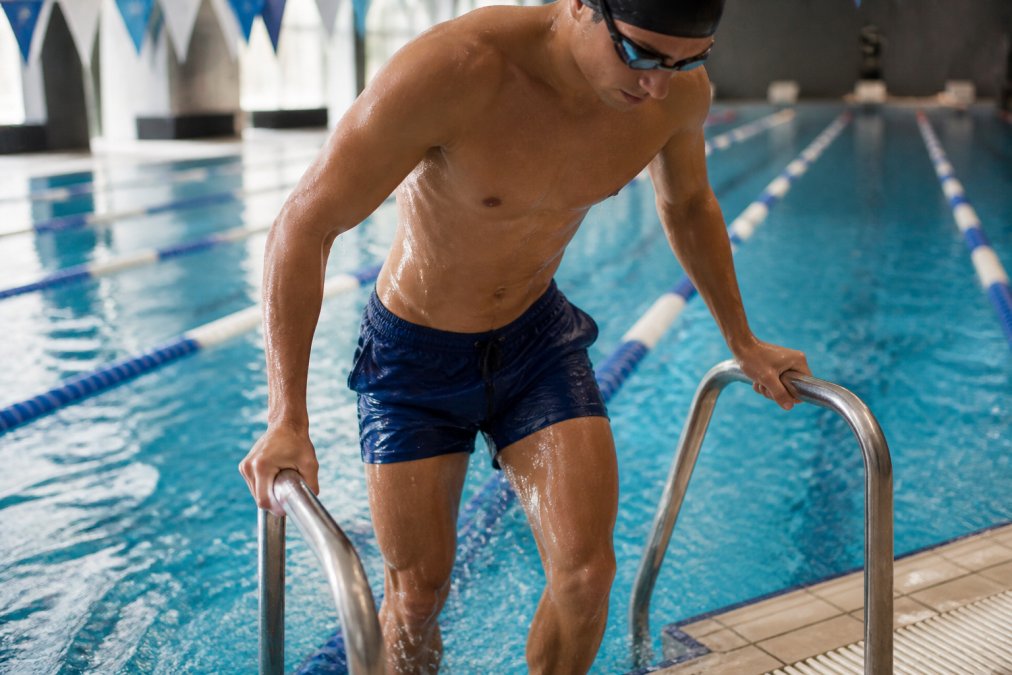
Most people focus only on the fabric weight, but that's only part of the picture. A heavy polyester blend means nothing if the seams unravel after twenty swims. What actually matters is how the entire garment is engineered. The best durable swimwear for active days combines chlorine-resistant fibres with ergonomic design that reduces stress on seams during explosive movements.
Urban Classics designs their swim shorts with this in mind. The Block Swim Shorts and Pattern Swim Shorts both use construction methods that prioritise longevity over trend-chasing. When you're choosing durable swimwear for active days, you're investing in something that handles lap swimming, wild swimming, and high-intensity water sports without degrading after a season.

| Style | Best For | Key Feature | Price |
|---|---|---|---|
| Block Swim Shorts | Solid performance foundation | Clean design, shape retention | $59-$59.95 |
| Pattern Swim Shorts | Style with durability | Chlorine-resistant patterns | $59 |
| Retro Styles | Endurance + aesthetic | Vintage construction durability | $59 |
| Seersucker | Functional elegance | Textured fabric, quick-drying | $59 |
The Block Swim Shorts in Black represent the no-nonsense approach to durable swimwear for active days. Clean lines, zero distractions, and a construction that prioritises function over flash. At $59, this is your baseline for what serious swimmers should expect.

What makes these shorts hold up is the polyester blend and the way the waistband is reinforced. You get consistent shape retention through dozens of washes. The fabric doesn't bag out after a month of regular use, which is the first sign that most budget swim shorts are cutting corners. These shorts maintain their fit because the elasticity is built into the fabric itself, not just the waistband.
The Block design works across multiple colour options, Black, Summer Blue, Green, and Light Asphalt, so you're not locked into one look. Each colour performs identically in terms of durability. The real advantage here is simplicity. There's no pattern to fade unevenly, no embroidery to snag on pool edges. For lap swimmers and anyone doing high-intensity water activities, this stripped-back approach wins every time.

Pros:
Cons:
Not everyone wants to wear a solid colour, and that's where the Pattern Swim Shorts, Tattoo AOP and other patterned options enter. The misconception is that adding a print ruins durability. Urban Classics proves that wrong. These shorts deliver durable swimwear for active days with visual personality intact.
The Tattoo AOP pattern sits on the same chlorine-resistant polyester base as the Block shorts. What changes is the visual appeal, not the engineering. The pattern printing technique used here is specifically chosen to resist fading under UV exposure and chlorine treatment. This matters because cheap prints wash out to grey within weeks. These patterns maintain definition through a full season of regular swimming.
Other pattern options include Baltic Blue Bar Stripe, Dark Green Seahorse, and additional colourways. Each pattern is applied using methods that don't compromise the fabric's stretch-recovery properties. The seams are identical to the Block shorts, reinforced and stress-tested for high-intensity activity. You're getting the same durability baseline with the added benefit of not looking like everyone else in the pool.
Pros:
Cons:
The Retro Swim Shorts in Black and Seersucker Swim Shorts in Black/OffWhite take a different approach to durable swimwear for active days. These aren't just about nostalgia, they're engineered with construction methods that have proven themselves over decades.
Retro styling often means looser fits and higher waistbands, which can reduce stress on the seams during high-intensity movement. The looser cut can distribute pressure more evenly across the fabric, rather than concentrating stress at specific points. Urban Classics taps into this principle while maintaining contemporary fit standards.
Seersucker fabric is a textured weave that offers natural quick-drying properties. The air pockets in the weave allow water to drain faster than smooth polyester, which means less time sitting wet against your skin and less opportunity for mildew to develop in the seams. The fabric integrity of seersucker is naturally strong, the weave pattern itself provides reinforcement that smooth fabrics don't have. At $59, you're getting a material choice that actively extends the life of the garment.
Both retro and seersucker options prove that durability doesn't require modern technical fabrics. Sometimes the oldest construction methods are the most reliable.
Pros:
Cons:
Chlorine is the enemy of swimwear longevity. It breaks down fibres, fades colours, and accelerates the degradation of elasticity in waistbands and seams. Understanding chlorine resistance isn't optional if you're serious about durability.
True chlorine-resistant fabrics are treated at the fibre level, not just the surface. Polyester is naturally more resistant than nylon or cotton, which is why you see it in every serious swim short (peer-reviewed research). But not all polyester is equal. The treatment process matters. Lower-grade polyester absorbs chlorine like a sponge, while quality chlorine-resistant polyester has a protective coating that prevents the chemical from penetrating the fibre structure.
Urban Classics swim shorts use polyester blends specifically chosen for chlorine resistance. This isn't a marketing claim, it's a practical choice that shows in how the shorts perform across multiple wash cycles. Colours stay vibrant. Elasticity doesn't degrade prematurely. The fabric doesn't develop that chalky, faded appearance that screams "this thing has been chlorinated to death."
The secondary factor is dye stability. Even with chlorine-resistant fabric, poor dyes will fade. The printing and colouring techniques used on Urban Classics shorts are selected to bond with the polyester in ways that resist both chlorine and UV exposure. This is why the patterned options hold their detail through a full season.
One often-overlooked aspect is the chlorine concentration in different pools. Salt-water pools are actually gentler on fabric than heavily chlorinated indoor pools. Wild swimming in lakes and rivers avoids chlorine entirely, but introduces UV exposure and salt water (if ocean-based). The best durable swimwear for active days handles all three stressors equally well.
You can buy the most durable swimwear for active days on the market, but poor washing habits will destroy it in months. Care is where most swimmers fail. They toss their shorts in the washing machine with hot water, use regular detergent, and wonder why the elastic gives out.
Start with the immediate rinse. After swimming, rinse your shorts in fresh water within an hour. This removes chlorine, salt, and pool chemicals before they have time to set into the fibres. Cold water only, warm water opens up the fabric structure and allows chemicals to penetrate deeper. A quick rinse under the tap takes thirty seconds and extends the life of your shorts by seasons.
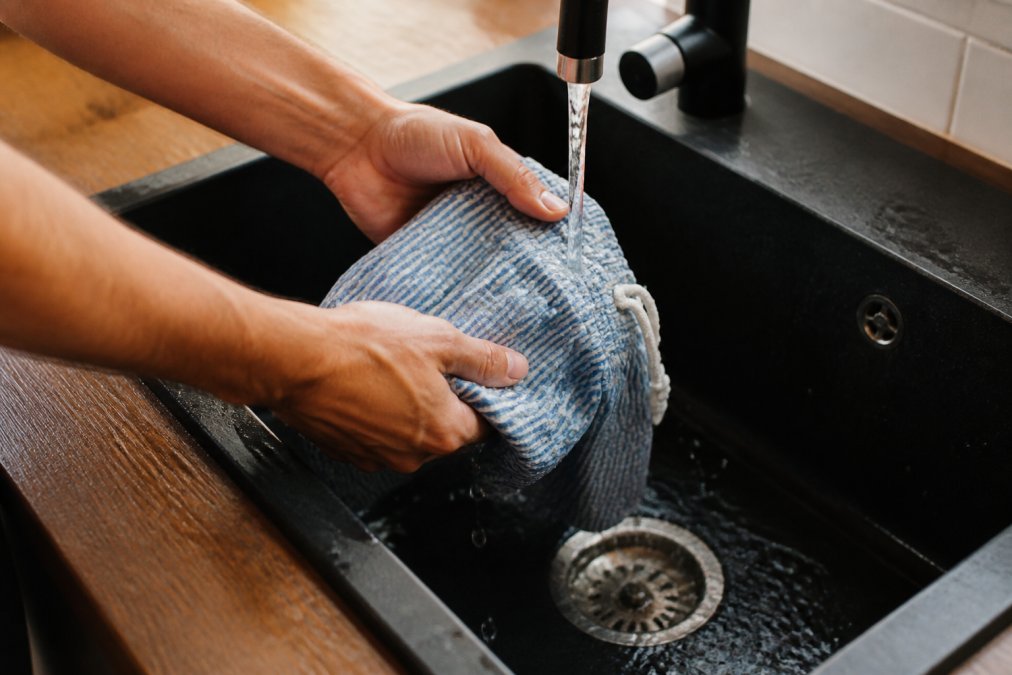
For actual washing, hand wash when possible. Fill a sink with cool water, add a small amount of mild detergent (avoid bleach and fabric softener entirely), and gently agitate the shorts for two minutes. Rinse thoroughly in cool water until the water runs clear. This method is gentler than machine washing and gives you control over water temperature and agitation.
If you must machine wash, use a mesh laundry bag, cold water, gentle cycle, and mild detergent. Never use the dryer. Air dry completely in shade, direct sunlight speeds up fading. The combination of heat and UV light degrades chlorine-resistant coatings faster than anything else.
Washing Schedule for Durable Swimwear for Active Days:
| Activity Level | Rinse After Each Use | Full Wash Frequency |
|---|---|---|
| Daily lap swimming | Yes (essential) | 2-3 times per week |
| 3-4 times per week | Yes | Once per week |
| Casual weekly use | Yes | Every 2 weeks |
| Occasional beach days | Yes | After each use |
Storage matters too. Never store wet or damp shorts in a sealed bag, this creates the perfect environment for mildew to develop in the seams. Hang them in a well-ventilated space until completely dry, then fold and store in a drawer. If you notice any mildew smell, soak the shorts in a solution of equal parts white vinegar and cool water for 30 minutes before washing normally.
The elastic in waistbands and leg openings degrades fastest. Avoid stretching the shorts excessively when pulling them on. Sit down, step into them gently, and pull up slowly. This small habit adds months to the life of the elastic. After a season of regular use, you might notice the waistband feels slightly looser, this is normal and doesn't mean the shorts are ruined. You can extend life further by hand-stitching the elastic tighter if needed.
Finding durable swimwear for active days that actually lasts requires understanding fabric construction, chlorine resistance, and proper care. Urban Classics delivers this combination across their swim shorts range, from the stripped-back Block Shorts to patterned and retro options. Each style is engineered to handle lap swimming, water sports, and repeated chlorine exposure without degrading.
The investment is modest. At $59 per pair, Urban Classics shorts cost less than replacing cheap alternatives every few months. Bundle two pairs for $100 and you've got rotation coverage that extends the life of each pair by reducing wash frequency. Shop the full range and choose the style that fits your aesthetic without sacrificing the durability you need for active days in the water.
Durable swimwear combines chlorine-resistant polyester, reinforced seam construction, and elasticity-retaining fabrics. Look for quick-drying materials with UV protection that resist fading. Supportive construction with ergonomic design helps shorts maintain shape during high-intensity swimming and water sports.
High-quality polyester blends offer the best salt and sun resistance. Polyester naturally resists chlorine and salt degradation better than cotton. Fabrics with UPF protection ratings shield against UV damage that causes fading and weakens elasticity. Endurance-grade polyester maintains fabric integrity through repeated salt-water exposure and intense sun, making it ideal for both lap swimming and wild swimming activities.
Rinse in cool fresh water immediately after swimming to remove chlorine, salt, and UV protection residue. Hand-wash in cold water with mild detergent, avoiding bleach or fabric softener. Lay flat to dry away from direct heat and sunlight. Never wring or tumble-dry, as this damages seam strength and elasticity. Proper washing preserves shape retention and extends the life of your durable swimwear significantly.
Yes. Chlorine-resistant fabrics maintain elasticity and colour far longer than standard options. Polyester-based shorts resist chlorine degradation that weakens fibres and causes fading. For regular lap swimmers, chlorine-resistant construction prevents the thinning and loss of shape that occurs with non-resistant materials. This directly impacts how many seasons your swimwear remains functional and flattering.
This article was written using GrandRanker
Your cart is currently empty.
Start Shopping