

Best Durable Streetwear Brands Australia: 2026 Guide
Discover the best durable streetwear brands in Australia for 2026. Compare heavyweight cotton, cargo pants, and hoodies built to last. Start building.
Discover the best durable streetwear brands in Australia for 2026. Compare heavyweight cotton, cargo pants, and hoodies built to last. Start building.

Last Updated: September 10, 2026
Durable streetwear brands build clothing from heavier fabrics, reinforced stitching and colour-fast dyes that survive repeated washing without losing shape, weight or finish. In practice, that means looking past the logo and checking the construction.
Most shoppers learn this the hard way. A tee feels substantial on the rack, then turns limp after five washes. At Urban Classics, we see this complaint constantly, and it usually traces back to one thing: fabric weight that was never disclosed. According to Textile Exchange's materials reporting, fibre composition and weight are the strongest predictors of how a garment ages, yet most online listings omit both.
So here's the throughline for this guide: durability is a specification, not a vibe. Below, we break down what to check, which pieces hold up, and how to make them last three years instead of three months.
The table below summarises the core pieces worth owning, what they cost, and what each is actually for.
| Piece | Price | Fabric Focus | Best For |
|---|---|---|---|
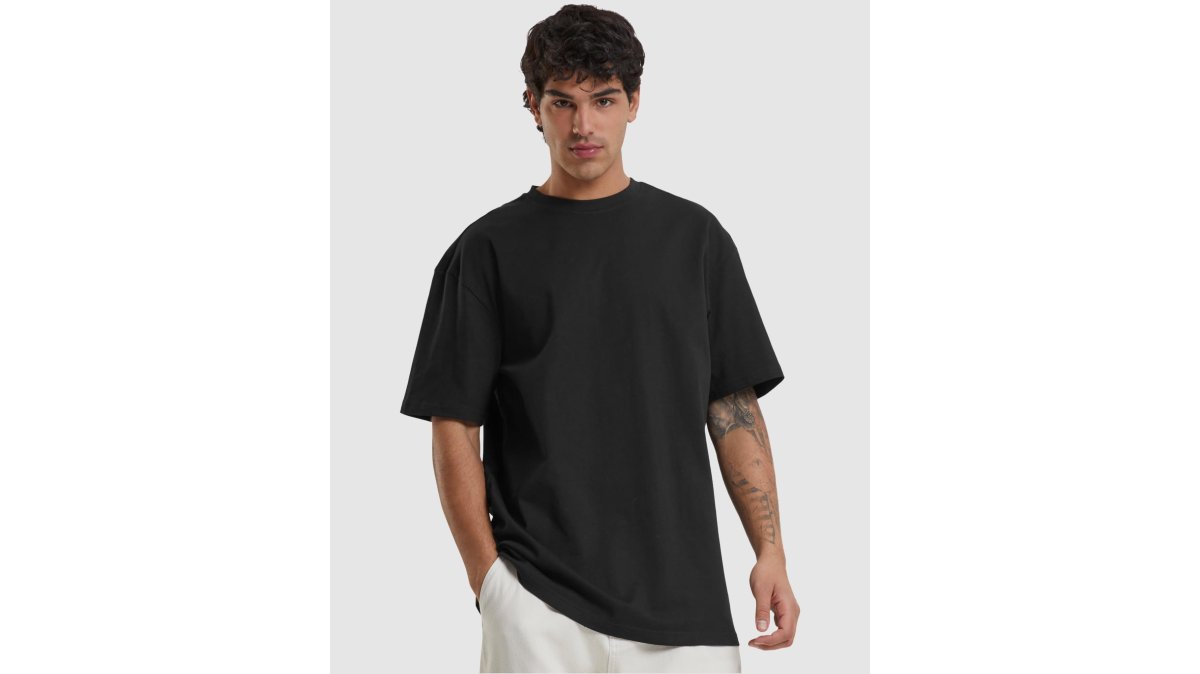
| Heavy Oversized Tee - Black | $49.00 | Heavyweight cotton, oversized cut | Daily rotation, layering |
| Cuffed Cargo Jogging Pants - Black | $119.95 | Dense cotton blend, cuffed hem | Everyday wear, street fits |
| Straight Leg Cargo Pants - Black | $119.95 | Structured cotton, straight cut | Cleaner silhouettes |
| Wide Pleated Cargo Pants - Black | $119.00 | Pleated heavyweight cotton | Statement fits |
| Organic Basic Hoody - Black | $99.95 | Organic cotton fleece | Year-round layering |
| Mens Ultra Heavy Hoody - Black | $89.00 | Heavy fleece, boxy fit | Cold-weather staple |
| Tech Bomber Jacket - Black | $149.95 | Technical shell | Outerwear, transeasonal |
Bundles matter here. Most of these run two for $199 or two for $160, which drops the per-piece cost meaningfully if you're rebuilding a capsule wardrobe from scratch.

Fabric weight is measured in grams per square metre (GSM), and it is the single number that separates a tee that lasts from one that doesn't. Standard fast fashion tees sit around 140-160 GSM. Heavyweight cotton streetwear starts at 220 GSM and climbs from there.
Here's what most guides miss: GSM alone isn't enough. A 240 GSM tee with a loose knit can still stretch at the collar. You want density plus a tight knit plus ribbed neckline binding. That combination is what stops the shoulders from sagging and the neckline from waving.
How do you check before buying online? Look for the GSM figure in the product description. If it isn't listed, that's your answer. Brands confident in their fabric publish the number.
Cargo pants and hoodies carry the most weight in a streetwear rotation, so they're where durability pays off fastest. The picks below are chosen for construction, not hype.
Cuffed Cargo Jogging Pants - Black ($119.95). The cuffed hem keeps the silhouette sharp and stops the fabric dragging on the ground, which is a quiet killer of pant longevity. Dense cotton blend, reinforced pockets.
Straight Leg Cargo Pants - Black ($119.95). The cleaner option. Structured cotton holds its shape through the knee, so you don't get that bagged-out look after a month.
Wide Pleated Cargo Pants - Black ($119.00). Pleating adds volume without adding fragile seams. Best for statement fits where you want the pant to do the talking.
Mens Ultra Heavy Hoody - Black ($89.00). Heavy fleece and a boxy cut. This is the one that survives being worn four days a week.

Organic Basic Hoody - Black ($99.95). Organic cotton fleece, slightly lighter hand. Better for layering than solo wear.
A common mistake is buying hoodies by look alone. Check the ribbing at the cuffs and hem. If it's thin, it'll stretch out within weeks, and that's the first thing that makes a hoody look old.
Three years of regular wear is achievable, and the care routine is boringly simple. Cold wash, inside out, low heat, no fabric softener. Fabric softener coats cotton fibres and reduces their ability to hold shape.
A few specifics that make a real difference:
The Australian Competition and Consumer Commission's guidance on product care claims is worth knowing if a brand's durability claim doesn't hold up. Care labels exist for a reason, and following them is the strongest defence you have.
Comparing basics specialists against broader streetwear labels comes down to what you're actually buying. Basics-focused brands compete on fabric consistency and repeatable fit. Streetwear labels compete on design and drops. The useful question is not which category is better, but which one matches how you actually wear clothes.
Where basics specialists win: you can reorder the same tee in two years and get the same cut. That repeatability matters more than most shoppers realise, because a wardrobe staple is only a staple if the replacement fits the same way. Where they lose: less variety, fewer statement pieces, and a narrower size curve. If you wear a size outside the middle of the bell curve, a basics-only wardrobe can leave you with nothing that fits properly.
Where streetwear labels win: elevated fits, seasonal drops, and pieces that read as intentional rather than default. Where they lose: inconsistent sizing between drops, limited restocks, and fabric specs that are often buried or omitted. A label that publishes GSM, fibre composition and shrinkage rates is telling you it expects the garment to be judged on construction. A label that leads only with campaign imagery is telling you something else.
Here is the trade-off stated plainly. If you want a wardrobe staple you replace on a schedule, buy from a basics specialist with disclosed specs. If you want elevated fits and seasonal drops, buy from a streetwear label that still discloses fabric weight and knit density. The durable streetwear brands worth your money do both: consistent core basics plus rotating design pieces.
What most comparisons miss is that value is not price per item. It is cost per wear, adjusted for how long the garment actually stays wearable. A $49 tee worn twice a week for two years costs less per wear than a $20 tee worn twice a week for three months. Run that maths before you decide anything is expensive. The second thing most comparisons miss is the trust factor. A brand's returns policy, its published measurements and its response to a faulty garment tell you more about durability than any marketing claim. Before you commit to a label, check whether its care instructions match the fabric it sells. A heavyweight cotton tee that says 'tumble dry hot' is a contradiction, and it is a signal the brand has not thought about how the garment ages.
Sizing and returns policy decide whether an online purchase is worth the risk, especially when you're buying an oversized fit sight unseen. Check three things before you add to cart, then check a fourth that most guides skip entirely.
Fit guides with actual measurements. Not 'fits true to size.' You want chest, length and shoulder measurements in centimetres, per size. If a brand only lists S/M/L with no numbers, expect to guess. A useful habit is to measure a garment you already own that fits the way you want, then compare those numbers against the brand's chart. That converts a vague size label into a decision you can defend.
Return window and who pays return postage. A generous window is useless if you're covering postage both ways on a $49 item. Read the fine print on 'change of mind' versus 'faulty' returns, because the two are treated differently and the second one is where your consumer guarantees sit.
Shipping thresholds. Free shipping over $50 is a common structure, and it's easy to hit with two basics. If you're testing with one item, factor the shipping cost into your first-order maths. Also check whether the brand ships from within the country or from overseas, because that changes both delivery time and how straightforward a return is.
The fourth check: how the brand handles a dispute. This is the gap most buying guides leave open. Before you order, look at how the retailer responds to complaints about sizing, faults or delayed delivery. A brand that publishes a clear returns address, a contact method that is not just a web form, and a stated resolution timeframe is easier to deal with than one that hides behind a chatbot. If a garment fails earlier than it should, the consumer guarantees under the Australian Consumer Law apply regardless of what the brand's own policy says, and the ACCC's guidance on consumer guarantees sets out what you are entitled to. Knowing that before you buy changes how confidently you can order.
On fit specifically: if you normally wear XL and want an oversized look without swimming in fabric, size up once, not twice. Oversized cuts already run roomy through the body. The National Measurement Institute's trade measurement guidance governs how garment and product measurements must be stated, which is why reputable retailers publish real numbers rather than vague descriptors.
One more angle worth knowing: if a piece you want is sold out or you're testing a fit for the first time, peer-to-peer and resale platforms are a low-risk way to try a brand before buying new. You can often find the same cut in good condition, confirm the measurements against your own, and only then commit to a full-price order. It also keeps wearable garments in circulation rather than in landfill, which matters if you care about the environmental side of a durable wardrobe.
Look for brands that specify fabric weight and construction details. Heavyweight cotton streetwear in the 240-300 GSM range holds its shape better than lighter alternatives. Urban Classics offers heavy oversized tees at $49.00 and cargo pants at $119.95, both built with durable materials. Check for reinforced stitching at stress points and pre-shrunk fabrics to avoid the thin, baggy look after washing.
Yes. Heavier cotton resists stretching, pilling, and thinning far better than standard 150-180 GSM tees. A 240 GSM or higher tee keeps its structure through repeated washing. The Urban Classics Heavy Oversized Tee weighs in at a substantial fabric weight and holds its shape. Heavier cotton also drapes better for that oversized streetwear aesthetic and resists the see-through issue common with lighter fabrics.
Wash heavyweight cotton garments inside out in cold water on a gentle cycle. Skip the dryer and hang dry in shade to prevent shrinkage and fading. Use a low heat setting when ironing and avoid direct heat on any prints. For denim and cargo pants, wash less frequently, spot clean when possible, and air them out between wears. Proper care for streetwear garments can significantly extend their lifespan.
Brands that prioritise fabric weight and construction over trend-chasing offer the best alternatives. Urban Classics focuses on no-logo basics with durable construction, including organic cotton hoodies at $99.95 and tech bomber jackets at $149.95. These pieces cost more upfront than fast-fashion equivalents but last years instead of months. The bundle deals, like two tees for $80, bring the per-item cost closer to fast fashion while keeping the quality higher.
Check the GSM (grams per square metre) rating, which indicates fabric density. Anything above 240 GSM for tees and 350 GSM for hoodies signals durability. Feel for tightness in the weave and check that the fabric springs back when stretched. Look for pre-shrunk or organic cotton labels, reinforced stitching at shoulders and hems, and double-stitched seams. Brands that publish these details are confident in their quality.
Your cart is currently empty.
Start Shopping