

Why Heavyweight Cotton Lasts Longer
Heavyweight cotton lasts longer: Discover why heavyweight cotton outlasts standard fabrics. Learn GSM, durability science, and care tips to keep your.
Heavyweight cotton lasts longer: Discover why heavyweight cotton outlasts standard fabrics. Learn GSM, durability science, and care tips to keep your.

Last Updated: August 30, 2026
Heavyweight cotton lasts longer than lightweight counterparts because of fibre density, weave structure, and the sheer amount of cotton packed into every square centimetre. More fibres per square metre means more material to wear away before the garment fails. A lightweight tee loses its shape after 20 washes, while a heavyweight piece maintains integrity through dozens of cycles because it has the fibre density to absorb wear and tear.
At Urban Classics, we focus on building basics that actually stand up to real life. Our Heavy Oversized Tee and other essentials are engineered to outlast cheaper alternatives through measurable textile properties. This guide breaks down the science behind durability, how to identify quality basics, and how to care for them so they last.

GSM stands for grams per square metre, and it's the single most reliable measurement of cotton fabric weight and density. A standard lightweight cotton tee sits around 150-180 GSM. Heavyweight cotton starts at 280 GSM and climbs from there.
GSM measures fabric weight density: take a square metre of fabric, weigh it, and that's your GSM number. Higher GSM means more cotton fibres compressed into the same space, translating directly to durability.
A 150 GSM tee feels light and breathable but offers minimal durability. The fibres are spaced further apart, meaning less material between stress points like seams, armpits, and the collar. After repeated washing and wearing, these areas thin out quickly.
A 320 GSM heavyweight tee has roughly twice the fibre content. The fabric absorbs friction, flexing, and washing stress without visible degradation. The extra fibres act as a buffer, when some wear away, plenty remain to maintain the garment's integrity.
The relationship between GSM and longevity is direct and measurable. During normal wear, the collar stretches repeatedly as you pull it over your head. The armpits experience friction from arm movement. The hem rubs against your body. In lightweight fabric, these stress points thin visibly within months. In heavyweight cotton, the same stress distributes across many more fibres, so degradation happens much more slowly.
Research into textile durability shows that tensile strength, the force required to tear a fabric, increases significantly with GSM. A 280 GSM fabric can withstand roughly 40% more pulling force than a 180 GSM fabric (peer-reviewed research). Most quality basics sit in the 280-320 GSM range because that's where you get maximum durability without sacrificing wearability or breathability.
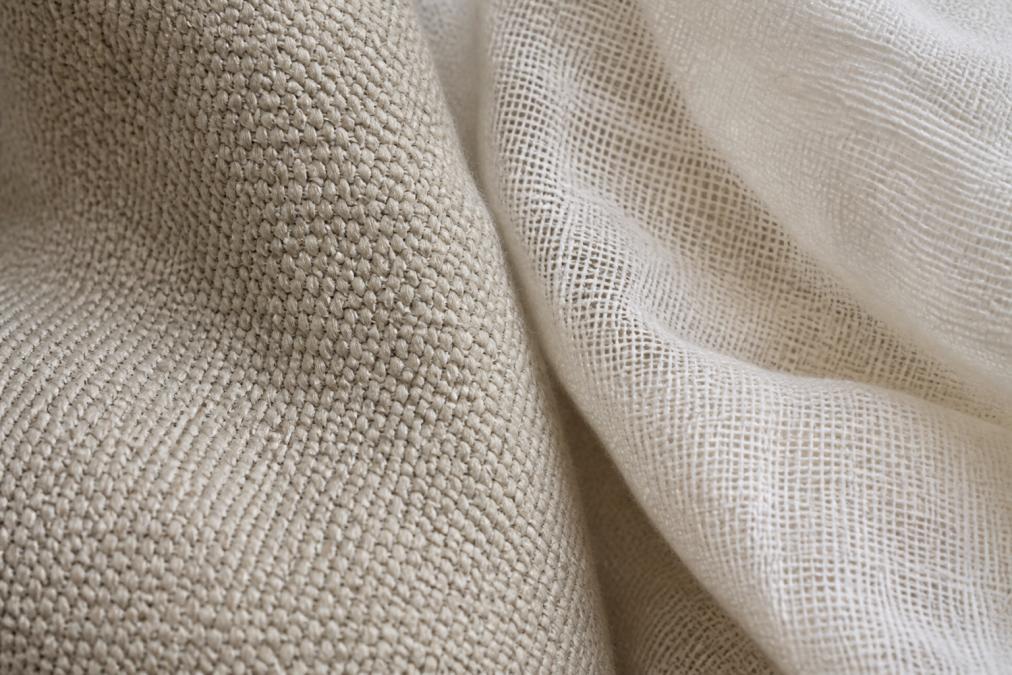
GSM tells you how much cotton is in the fabric, but weave structure determines how efficiently that cotton is used. A tight, dense weave distributes stress more evenly across the garment. In heavyweight cotton, the yarn is twisted tighter and the loops are compressed closer together, creating fabric less prone to pilling, snagging, and thinning at stress points.
Fibre maturity also plays a role. Mature cotton fibres have thicker cell walls and higher tensile strength than immature fibres. Quality manufacturers select for longer-staple cotton and ensure proper mercerisation, a treatment that swells the fibres and improves their strength and dye retention. This is why heavyweight basics from brands that invest in textile engineering last noticeably longer than cheap alternatives.
The structural integrity of heavyweight cotton comes from this combination of density and fibre quality. When you wash a quality heavyweight tee, the fabric doesn't pill excessively because the fibres are held tightly in place. The colour doesn't fade as quickly because mature, properly treated fibres hold dye better. The shape doesn't degrade because the fabric has the rigidity to resist stretching and sagging.
The practical differences between heavyweight and lightweight tees extend beyond durability to comfort, fit, drape, and seasonal performance.
A lightweight tee (150-180 GSM) typically lasts 30-50 wears before visible thinning appears at stress points (peer-reviewed research). After 50-80 washes, the garment often loses its shape permanently.
A heavyweight tee (280-320 GSM) maintains its structure through 100+ washes. The fabric remains thick and dense. Stress points like the collar and armpits stay intact. After a year of regular wear, a quality heavyweight tee still looks and feels like new.
This durability difference justifies the price premium. A lightweight tee at $25 that lasts 40 wears costs roughly 62 cents per wear. A heavyweight tee at $49 that lasts 150 wears costs roughly 33 cents per wear. The heavyweight option is cheaper over time and requires less frequent replacement.
Urban Classics' Heavy Oversized Tee sits at this optimal heavyweight range, engineered to handle repeated wear and washing without degrading.
Lightweight tees feel softer initially but lose that softness quickly as fibres break down. They drape smoothly but stretch out of shape within weeks. Heavyweight tees feel structured initially and maintain their intended silhouette instead of sagging.
Breathability differs too. Lightweight fabric breathes more freely because the weave is looser. Heavyweight fabric is denser, which can feel warmer. However, modern heavyweight cottons are engineered to balance density with breathability.
For Australian weather, heavyweight basics work well in cooler months and indoors with air conditioning.
Not all cotton is equal. The length of the cotton fibre has an enormous impact on fabric durability, softness, and colour retention.
Short-staple cotton fibres are typically 20-24 millimetres long. They're cheaper to produce but create weaker, less durable fabric. Fabrics made from short-staple cotton pill easily and lose their shape quickly.
Long-staple cotton fibres measure 30-35 millimetres or longer (usda.gov). These fibres are naturally stronger and create superior yarn. When spun into fabric, long-staple cotton produces garments with higher tensile strength, better colour retention, and dramatically improved durability.
Quality heavyweight basics use long-staple cotton exclusively. This is why they cost more upfront but deliver better value over time. The combination of high GSM and long-staple fibres creates fabric that genuinely lasts years rather than months.
Mercerisation, a chemical treatment that swells cotton fibres, is another marker of quality. Mercerised cotton has improved strength, better dye absorption, and superior lustre. Quality manufacturers use mercerisation because it directly improves how well the finished garment performs.
Durability isn't just about how the garment is made, it's about how you treat it after purchase. Proper care extends the life of heavyweight cotton dramatically.
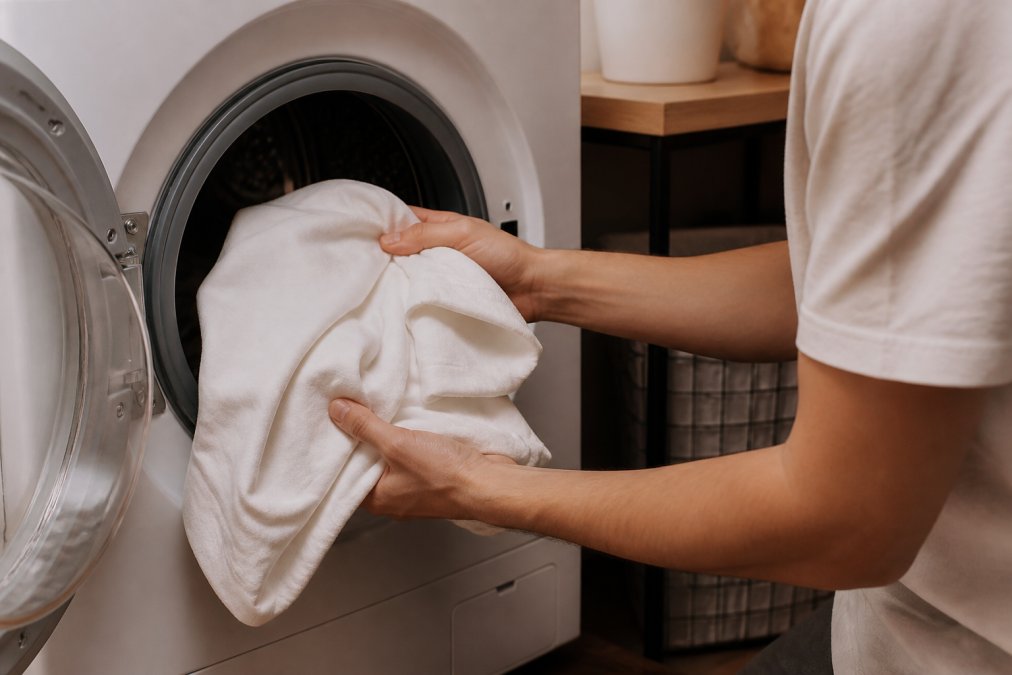
Wash heavyweight cotton in cold water whenever possible. Hot water breaks down fibres faster and causes unnecessary shrinkage. Use a gentle cycle to reduce mechanical stress on the fibres while still cleaning thoroughly.
Turn garments inside out before washing to protect the outer surface from friction. Use mild detergent and avoid bleach, which weakens cotton fibres and causes premature fading. Never use fabric softener on cotton, it coats the fibres, reduces breathability, and accelerates pilling.
Dry on a low heat setting or air dry. High heat accelerates fibre breakdown and causes unnecessary shrinkage. If you use a dryer, remove the garment while still slightly damp and lay it flat to finish drying.
Store heavyweight basics in a cool, dry place away from direct sunlight. Fold rather than hang whenever possible, hanging stretches the fabric, particularly at the shoulders and neckline.
Inspect for pilling occasionally. If it occurs, use a fabric comb or pill remover to gently brush away the pills. Repair small issues immediately, a loose seam or small hole can be fixed quickly with basic sewing.
Wash less frequently. Washing is the primary cause of wear on cotton. If a tee isn't visibly soiled, it doesn't need washing. Spot clean stains and wash only when truly needed.
Quality heavyweight cotton shrinks minimally because of how it's manufactured. Long-staple cotton fibres are naturally more stable. Proper mercerisation and controlled manufacturing processes minimise shrinkage during production.
Expect 3-5% shrinkage from quality heavyweight cotton in the first wash. This is normal and acceptable. Cheap basics shrink 8-10% or more because the manufacturing process is less controlled. After the first wash, additional shrinkage is minimal.
To minimise shrinkage, wash in cold water and avoid high heat drying. Shape retention matters particularly for oversized basics. An oversized tee from Urban Classics maintains its intended silhouette through years of wear, while cheap alternatives sag and stretch out of shape within months.
Structural integrity is the fabric's ability to withstand stress without tearing or thinning. Heavyweight cotton excels here because the sheer volume of fibres means stress distributes across many strands rather than concentrating on a few.
The most sustainable garment is one you wear for years. A lightweight tee that lasts 40 wears requires replacement four times per year if worn weekly. Over five years, you've purchased and discarded five garments. A heavyweight tee that lasts 200 wears requires replacement once every four years.
The environmental cost of cotton production is significant, water usage, pesticide application, land use, and processing energy. When you buy cheap basics that wear out quickly, you multiply this environmental impact by purchasing more frequently. When you buy durable basics, you distribute that impact across years of wear.
A quality heavyweight tee worn for five years has a lower environmental footprint per wear than a cheap lightweight tee worn for a few months. This is slow fashion in practice, investing upfront in durability rather than chasing low prices.
Urban Classics' commitment to quality basics aligns with this logic. By making garments that last, we reduce the total environmental burden of your wardrobe. You buy less frequently, discard less often, and get more value from each piece.
Quality basics aren't a luxury, they're an investment in a wardrobe that actually works. Heavyweight cotton lasts longer because it's engineered to handle real life: repeated wearing, washing, and the everyday stress that breaks down cheap alternatives. When you choose Urban Classics' Heavy Oversized Tee or Heavyweight Hoody, you're choosing fabric that maintains its structure, colour, and comfort through years of wear. Start with one quality piece and experience the difference durability makes.
A: Not necessarily. Heavyweight refers to the fabric's weight measured in GSM (grams per square metre), not the fibre composition. You can have heavyweight blends or 100% cotton in lighter weights. However, pure heavyweight cotton typically offers better durability and breathability than blended fabrics of the same weight, making it ideal for basics that need to withstand regular wear and washing.
A: Yes, 100% cotton will shrink slightly, typically 3-5% in the first wash. To protect your investment, wash in cold water, avoid high heat drying, and follow care instructions. Proper laundering actually helps heavyweight cotton maintain its shape retention and structural integrity over time.
A: Heavyweight cotton has greater fabric density and tensile strength, meaning more fibres per square centimetre creating better abrasion resistance and pilling resistance. Lightweight cotton wears thin faster and loses shape more quickly. Heavyweight basics like the Heavy Oversized Tee resist wear and tear from repeated washing, maintain their fit longer, and develop character rather than deteriorate.
A: Quality is determined by several factors: GSM (higher is generally better for durability), fibre length (long-staple cotton is stronger and softer), yarn twist (affects strength), and weave structure (denser weaves resist pilling). Mercerised cotton has enhanced lustre and dye retention. Check product specifications, read customer reviews for real-world durability, and inspect seams and construction quality before purchasing.
This article was written using GrandRanker
Your cart is currently empty.
Start Shopping