

Best Heavyweight Cotton Shirts: Quality Guide
Find the best heavyweight cotton shirts for durability and style. Learn GSM, fabric quality, and how to maintain premium basics that last years.
Find the best heavyweight cotton shirts for durability and style. Learn GSM, fabric quality, and how to maintain premium basics that last years.

Last Updated: September 2, 2026
Heavyweight cotton shirts differ from standard basics through fabric density, measured in GSM (grams per square metre), and construction method. These shirts typically weigh 180-250 GSM, compared to lightweight tees at 120-150 GSM. This extra weight translates to durability, structure, and a premium feel that justifies the investment.
Heavyweight cotton holds its shape through repeated wear and washing, resists pilling and fading, and develops character over time rather than deteriorating. Urban Classics' Heavy Oversized Tee collection exemplifies proper heavyweight construction: structured silhouettes, durable collar ribbing, and substantial fabric. At $49.00, these represent the baseline for what a premium basic should cost.

Construction method matters as much as raw material. Ring-spun cotton creates smoother, stronger yarn than open-end alternatives (peer-reviewed research). High-density weaves ensure the fabric resists shrinkage and maintains integrity through multiple wash cycles. These technical details separate pieces that last from those worn out quickly.
GSM stands for grams per square metre, the standard measurement for fabric density. A single square metre of fabric is weighed to determine density. Lower GSM means thinner, lighter fabric; higher GSM means thicker, heavier construction.
Most basic t-shirts sit between 120-150 GSM. Heavyweight cotton shirts start at 180 GSM and climb to 250+ for premium options. Urban Classics' Heavy Oversized Tees sit comfortably in the 200+ GSM range, giving them the structured feel that distinguishes them from cheaper alternatives.
Why GSM matters becomes obvious after the first wash. Lower-GSM fabrics shrink unpredictably, lose shape quickly, and develop thin spots where stress occurs. A 200+ GSM shirt resists these problems through denser weave and more fibre per square centimetre.
The relationship between GSM and longevity is direct. A 150 GSM shirt may look acceptable after 30 washes; a 220 GSM shirt will look nearly identical after 100 washes. This is why premium basics cost more upfront, they cost significantly less over time.
Durability connects to comfort. Heavier fabric drapes better, resists clinging to the body, and maintains structure through the day. The trade-off is breathability. Urban Classics addresses this through open-weave patterns that maintain breathability despite higher GSM, making their heavyweight tees suitable for year-round wear.
Not all cotton is created equal. Long-staple cotton produces stronger, smoother yarn than short-staple varieties. US cotton and Pima cotton represent the premium end, though sourcing and sustainability practices matter equally.
Cotton quality directly affects how well a shirt resists pilling and fading. Lower-quality cotton breaks down faster during processing and washing, creating loose fibres that ball up on the surface. Premium cotton maintains integrity through repeated wear. Urban Classics sources cotton that balances cost and performance, resisting common problems plaguing cheaper basics.
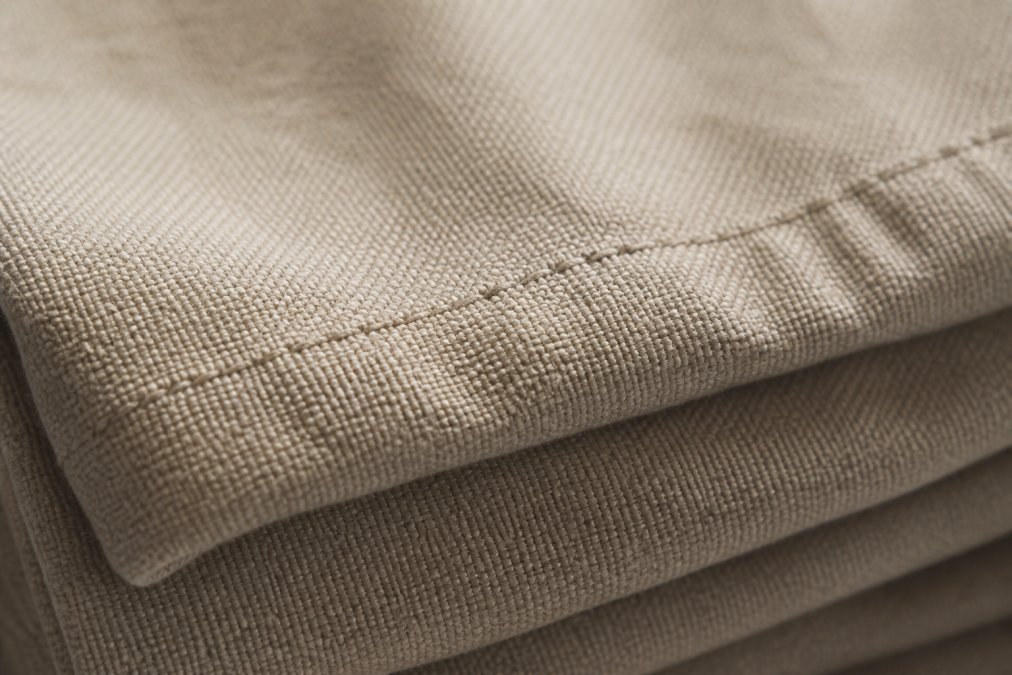
Ring-spun cotton undergoes a labour-intensive process that creates stronger, smoother yarn. The fibre is twisted tightly during spinning, aligning strands and eliminating weak points. This produces yarn that resists pilling and holds colour better. Open-end yarn is spun faster and cheaper but produces rougher, less durable results.
Ring-spun fabric feels softer and smoother against the skin, maintaining that premium feel through dozens of washes. For heavyweight basics intended to last, ring-spun construction is the standard. Most premium basics use it exclusively, as the cost difference is minimal relative to durability gains.
Heavyweight cotton tees form the foundation of versatile streetwear styling. Their structure allows them to work across multiple contexts: casual lounging, layering for cooler weather, or standing alone as a statement piece.
Oversized heavyweight tees create visual interest through proportion. Pair them with tailored trousers or structured joggers to balance the relaxed top. Avoid pairing oversized tops with oversized bottoms. A heavyweight tee in black or white works with virtually any bottom, making it the ultimate wardrobe neutral.

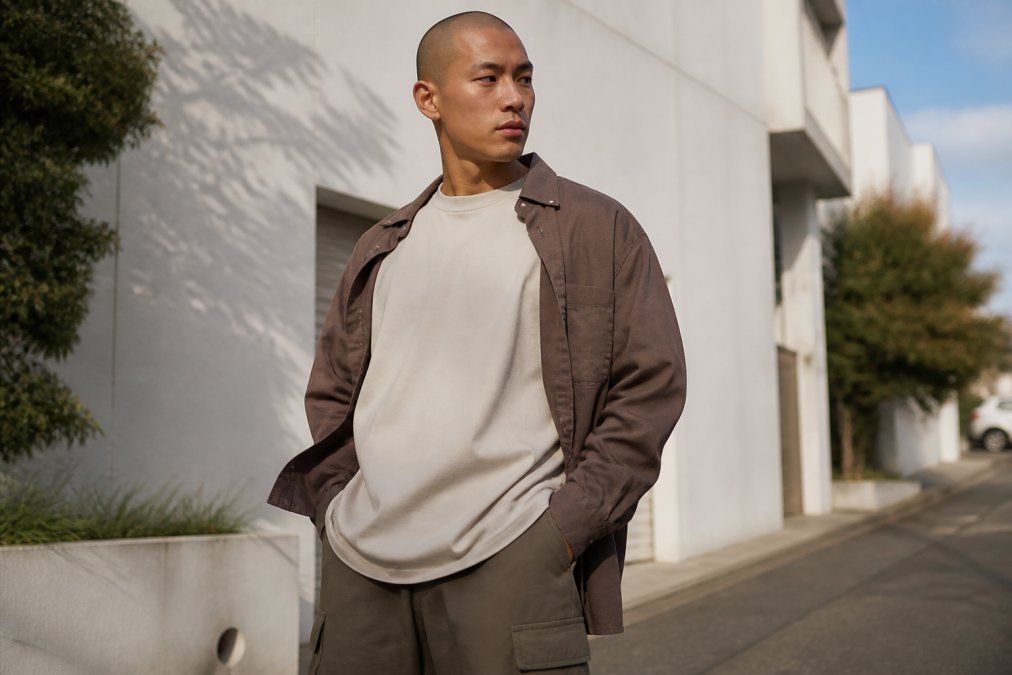
Colour choice matters significantly. Neutral heavyweight tees (black, white, grey, charcoal) work as foundations. Bolder colours like bottle green or summer blue make stronger statements when worn alone. Urban Classics offers their Heavy Oversized Tees in a range of colours, allowing you to build a cohesive capsule wardrobe.
The texture of heavyweight cotton becomes a styling tool. Unlike thin, flat fabrics, heavier cotton has visible depth and dimension. A charcoal heavyweight tee paired with black joggers creates visual interest through texture alone.
Heavyweight tees excel as layering pieces because they provide structure without bulk. Layer a heavyweight tee under an open shirt or light jacket for a polished casual look. The tee's weight keeps everything sitting properly rather than bunching or shifting.
A heavyweight tee provides genuine warmth without the bulk of a hoodie. In transitional seasons, a heavyweight tee under a light overshirt creates a versatile combination that works across temperature fluctuations. The oversized silhouette works for people who prefer relaxed fits without looking sloppy, as the fabric's structure prevents the drooping that plagues oversized lightweight shirts.
A quality heavyweight shirt should maintain its appearance and structure through many wash cycles, regular wear for a significant period before showing significant wear. Most fast-fashion basics fail this test within a shorter timeframe.
The factors determining durability are straightforward: fabric weight (GSM), yarn quality (ring-spun vs open-end), and construction details (stitch density, collar reinforcement, seam finishing). Urban Classics addresses each in their Heavy Oversized Tees, resulting in a shirt that actually lasts, justifying the $49.00 price point.
Fit consistency matters for long-term satisfaction. Pre-shrinking during manufacturing prevents unpredictable shrinkage. Quality heavyweight shirts are pre-shrunk to minimise further shrinkage, meaning the fit remains stable through wear.
Cotton naturally shrinks when exposed to heat and moisture. Pre-shrunk fabrics are already put through a heat and moisture cycle during manufacturing, minimising additional shrinkage. Expect some shrinkage on quality pre-shrunk fabric if you use warm water and machine drying. Cold water and air drying reduce shrinkage significantly.
Quality heavyweight cotton resists these problems when treated properly. Urban Classics' Heavy Oversized Tees are pre-shrunk and constructed to withstand repeated washing without deterioration. A 220 GSM shirt will still shrink, fade, and eventually wear out, but it takes far longer and requires more abuse before problems become visible.
Proper maintenance extends heavyweight cotton lifespan significantly. Cold water, gentle detergent, and air drying represent the gold standard for preservation. Machine drying, hot water, and harsh detergents accelerate degradation.
Detergent choice impacts longevity. Harsh detergents break down cotton fibres over time. Gentle, pH-neutral detergents preserve the fabric while cleaning effectively. Storage matters equally, cotton stored in humid environments develops mildew and odours. Dry storage in a cool closet keeps pieces fresh. Folding rather than hanging prevents stretching of shoulder seams.
Turn shirts inside out before washing to reduce fading and pilling. Use cold water and a gentle cycle. Wash with similar colours to prevent dye transfer. Use simple, neutral detergent without optical brighteners or heavy fragrances.
Air drying preserves fabric and extends lifespan dramatically. If you must use a machine dryer, use the lowest heat setting. Removing the shirt while still slightly damp and hanging it to finish prevents wrinkles while minimising heat exposure.
Store in a cool, dry location away from light. Fold rather than hang to prevent shoulder stretching. Breathable cotton storage bags protect against dust while allowing air circulation.
The economics are straightforward. A $49.00 heavyweight tee worn 100 times costs $0.49 per wear. A $15.00 cheap tee worn 20 times costs $0.75 per wear. The premium piece is actually cheaper over its lifetime and looks better throughout.

Beyond economics, wearing quality pieces matters. Heavyweight cotton feels intentional, drapes properly, and develops character through wear. A black heavyweight tee after a year looks like a beloved piece; a cheap tee looks worn out.
Quality heavyweight basics offer remarkable versatility. Five quality heavyweight tees in neutral colours cover more outfit combinations than fifteen cheap tees in various colours. This is the appeal of the capsule wardrobe, fewer, better pieces instead of more, disposable ones.
Urban Classics' Heavy Oversized Tees prioritise fit, fabric quality, and durability over trends. The oversized silhouette works for current streetwear aesthetics while remaining timeless. The colour range, from classics like black and white to contemporary options like bottle green and summer blue, allows building a cohesive wardrobe.
Consumer Reports on textile durability standards
The bundle pricing ($49.00 each, or 2 for $80) recognises that people building a quality wardrobe need multiples. This structure encourages building the foundation properly rather than settling for single pieces.
Building a wardrobe around heavyweight cotton basics solves the fundamental problem of fast fashion: pieces that look good for a few months then deteriorate. Quality heavyweight tees actually last, meaning you spend less money overall and feel better wearing them. Urban Classics' Heavy Oversized Tees deliver on this promise with pre-shrunk, durable construction at a price point reflecting genuine value. Textile Exchange sustainability standards for cotton confirm that quality construction and proper sourcing matter for longevity. Start with one or two pieces in neutral colours, then expand as you see how they perform. Free shipping on orders over $50 makes testing the quality a low-risk decision.
A: Heavyweight cotton shirts are defined by their GSM (grams per square metre), typically 200 GSM or higher, compared to standard tees at 150-180 GSM. This higher density creates a thicker, more durable fabric that resists pilling, fading, and wear. The structured silhouette and premium hand-feel make heavyweight cotton shirts ideal for both casual wear and layering. They hold their shape longer and maintain colour vibrancy through multiple washes, making them a genuine investment in wardrobe basics.
A: Pre-shrunk heavyweight cotton shirts minimise shrinkage, but proper care is essential. Wash in cold water on a gentle cycle, avoid high heat in the dryer, and air-dry when possible. If you must use a dryer, select a low-temperature setting. Heavyweight fabrics with ring-spun cotton and high stitch density are less prone to shrinkage than standard alternatives. Check product descriptions for pre-shrunk certification and always follow care labels. Most quality heavyweight tees stabilise after a few washes, so expect minimal additional shrinkage beyond that point.
A: GSM (grams per square metre) measures fabric weight and density. Heavyweight cotton shirts typically range from 200-250 GSM, while standard tees fall between 150-180 GSM. Higher GSM indicates a denser weave with more fibres per square centimetre, which translates to greater durability, better colour retention, and improved resistance to pilling and thinning. A 220 GSM shirt will outlast a 160 GSM alternative, making it worth the premium price for anyone seeking long-lasting basics.
A: Yes, but with consideration. Heavyweight cotton shirts offer excellent breathability when made from quality jersey knit fabric, though they retain slightly more heat than lighter-weight alternatives. They're ideal for layering in spring and autumn, and work well in summer if you choose lighter colours and pair them with breathable bottoms. The structured silhouette and moisture-wicking properties of premium cotton make them versatile across climates. For hot weather, consider oversized fits that allow air circulation while maintaining the premium aesthetic.
This article was written using GrandRanker
Your cart is currently empty.
Start Shopping