

Why Oversized T-Shirts Lose Shape: Prevention Guide
Oversized t-shirts lose shape from fabric stress, heat, and improper washing. Learn what causes it and how to maintain your streetwear basics for years.
Oversized t-shirts lose shape from fabric stress, heat, and improper washing. Learn what causes it and how to maintain your streetwear basics for years.

Last Updated: September 3, 2026
Oversized t-shirts have become a staple of contemporary streetwear, but many discover their favourite pieces lose their structured silhouette after just a few months of wear. The problem isn't always cheap fabric or poor construction, it's often a combination of how the garment is made, how it's cared for, and the mechanical stress it endures during everyday use. Understanding why this happens helps you make smarter purchasing decisions and extend your wardrobe's life.
At Urban Classics, we've invested in heavy-weight cotton basics specifically because quality construction and fibre integrity matter. When an oversized t-shirt loses its shape, it transforms from intentional streetwear styling into an unflattering, baggy mess. The distinction depends on fabric recovery, garment construction, and how you treat the piece after purchase.
The foundation of any t-shirt's shape retention lies in the fabric itself. Heavy-weight cotton, typically 200 GSM (grams per square metre) or higher, resists shape loss far better than lighter alternatives (peer-reviewed research). Lower-quality fabrics in the 150-180 GSM range lack the tensile strength needed to maintain structure through repeated wear and washing cycles.
Fabric recovery refers to the fibre's ability to return to its original shape after stretching. Pure cotton basics remain the preferred choice for oversized silhouettes because they age gracefully and maintain breathability, while synthetic blends might hold shape but feel plasticky after a season.
Fibre fatigue occurs when cotton fibres break down from repeated mechanical stress, detergent exposure, and heat. Once fibres fatigue, they lose elasticity permanently.
How a t-shirt is sewn directly impacts how long it maintains its shape. Oversized garments experience more stress at seams because the fabric drapes further from the body, creating tension at the shoulders, armholes, and neckline.
Quality construction means reinforced seams that won't split under stress, proper stitch density, and strategic reinforcement at high-stress areas. Cheap t-shirts often use single-needle stitching, which fails faster under the strain of an oversized fit.
The neckline is particularly vulnerable in oversized designs. A poorly constructed neck binding will stretch and distort first, making the entire garment look wrong. A reinforced neckline with quality binding maintains its shape for years.
Shrinkage is one of the primary reasons oversized t-shirts lose shape, particularly in the first few washes. However, shrinkage and shape loss are not the same thing. A t-shirt can shrink uniformly and still maintain its intended fit, or it can shrink unevenly and become unwearable.
When you wash a t-shirt, the fabric swells as water penetrates the fibres. If the garment is agitated heavily during this swollen state, the fibres don't return to their original position, they stay stretched. This mechanical stress is the primary culprit in shape loss.
Fabric recovery depends on how much mechanical stress the garment endures. Gentle handling allows fibres to return to their natural state. Aggressive washing, high spin speeds, and overloading the machine prevents recovery and causes permanent stretching.
Cold water washing supports fabric recovery better than hot water. Hot water opens up the fibre structure more aggressively, making the fabric vulnerable to mechanical stress. Cold water keeps the fibre structure tighter, reducing the risk of permanent stretching.
One rough wash can cause more permanent damage than 10 gentle washes. A single cycle in a standard washing machine with a full load can stretch an oversized t-shirt noticeably if the settings are wrong.
Most people use the same wash cycle for everything, which is where problems start. Oversized t-shirts need gentler treatment than everyday basics because the loose fit amplifies the effects of mechanical stress.
Use a delicate cycle or hand-wash setting on your machine. These cycles spin slower (typically 600-800 RPM instead of 1,200+ RPM) and use less agitation.
Water temperature matters more than many realise. Warm and hot water open up cotton fibres, making them more susceptible to stretching. For oversized pieces, always use cold water.
Detergent residue can degrade fabric over time. Using too much detergent leaves mineral deposits on the fibres, which reduces elasticity and accelerates fibre fatigue. Use half the recommended amount for lightly soiled garments.
Heavy cotton basics deserve a specific washing approach because their weight and structure are their primary assets. The goal is to preserve tensile strength and fabric recovery while removing dirt and odour.
Start with cold water, non-negotiable for shape retention. Cold water reduces the risk of dye bleeding, prevents fibre swelling, and maintains the structural integrity of heavyweight cotton.
Select a delicate or hand-wash cycle. These cycles typically run for 30-40 minutes with minimal agitation and slower spin speeds.
Turn your t-shirt inside out before washing. This protects the outer surface from abrasion and fading, and it's especially important for oversized pieces because the inside-facing seams experience less friction.
Use a mesh laundry bag if your machine has one. This adds an extra layer of protection against mechanical stress without significantly reducing wash effectiveness.
Wash with similar colours and weights. Mixing heavy cotton basics with delicate fabrics or lightweight items can cause uneven agitation.
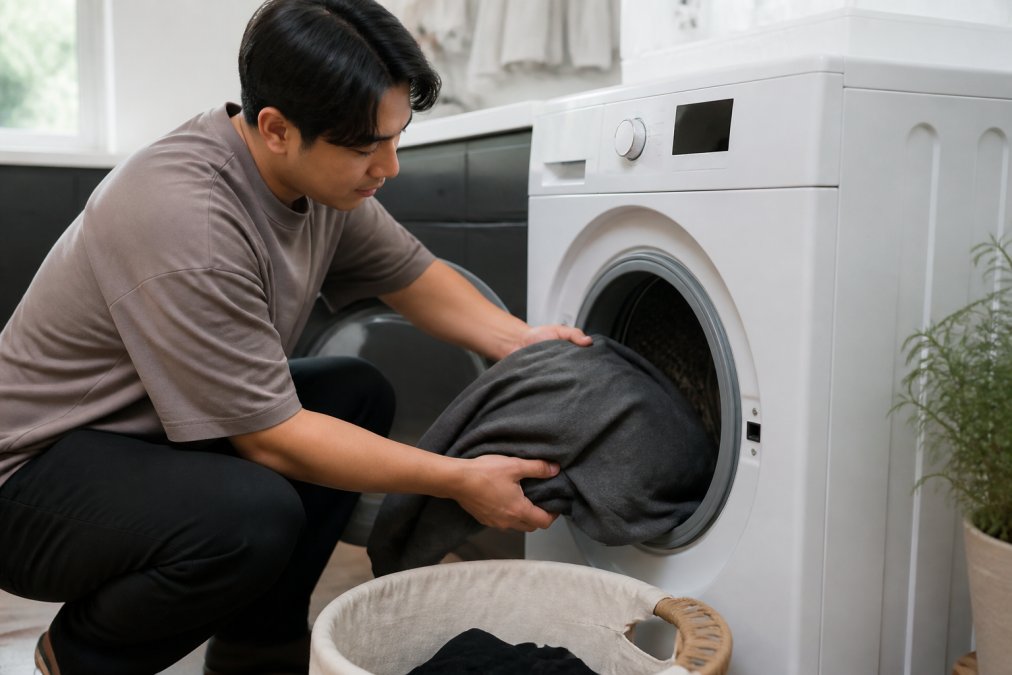
Choose a mild detergent designed for delicate fabrics or use half the recommended amount of standard detergent. Excess detergent leaves mineral deposits that reduce elasticity.
Avoid fabric softeners entirely. They coat the fibre surface, reduce breathability, and contribute to shape loss by making fibres slippery.
For stubborn stains, pre-treat with a small amount of detergent and let it sit for 15 minutes before washing. Don't scrub or agitate the stain.
Rinse thoroughly. If your machine has an extra rinse option, use it. Detergent residue is one of the overlooked culprits in fibre fatigue.
How you dry a t-shirt matters as much as how you wash it. Heat exposure causes fibre breakdown and accelerates the loss of elasticity in cotton.
Air drying is the gold standard for shape retention. Lay your t-shirt flat on a clean, dry surface or hang it on a drying rack. Flat-laying is preferable for oversized pieces because hanging can cause the weight of wet fabric to stretch the garment.
If you must hang dry, use a padded hanger and avoid hanging by the neckline or armholes. Hang by the side seams instead.
Tumble drying is convenient but destructive for oversized basics. Heat exposure causes fibres to lose elasticity, and the mechanical tumbling adds additional stress. If you must use a dryer, use the lowest heat setting and remove the garment while still slightly damp.
The damage from one high-heat dryer cycle can be permanent.
Heat accelerates the breakdown of cotton fibres at a molecular level. Even moderate heat (above 60°C) begins to degrade tensile strength (peer-reviewed research).
Direct sunlight during air drying is fine and has mild antimicrobial properties. However, avoid drying near radiators, heaters, or direct heat sources.
Humidity during drying also affects the outcome. Drying in a humid environment slows the process but reduces the risk of uneven fibre contraction.
The neckline is often the first casualty when an oversized t-shirt begins to lose shape. A stretched collar makes the entire garment look wrong, even if the body is still intact.
The neckline experiences constant stress from pulling the shirt over your head, the weight of the fabric dragging downward, and repeated friction from your neck and shoulders. In oversized garments, this stress is amplified because the excess fabric creates more use at the neck opening.
Poor construction makes this worse. A neckline with thin binding or single-needle stitching will distort within 10-15 wears.
Washing and drying also stress the neckline. If you pull the shirt over your head while it's wet, you're stretching the neckline when the fibres are most vulnerable.
For a mildly stretched neckline, try the wet-heat method. Dampen the neckline with cool water, then use a warm (not hot) iron on low setting to gently shrink the binding back. This works only for minor stretch.
Prevention is far more effective than restoration. Always pull your t-shirt off gently, supporting the neckline with your other hand. Avoid yanking it over your head.
Wash your t-shirt inside out to protect the neckline binding from friction. Avoid wringing or twisting the garment when wet; gently squeeze excess water out instead.
For long-term storage, fold your oversized t-shirts rather than hanging them by the neckline.
How you store your oversized t-shirts between wears has a surprising impact on shape retention. Poor storage can undo months of careful washing and drying.
Folding is the superior storage method for oversized t-shirts. Hanging puts constant downward pressure on the neckline and shoulders, causing gradual stretch over time.
When folding, use the three-fold method: lay the shirt flat, fold one side toward the centre, fold the other side over, then fold in half lengthwise.
If you prefer to hang your t-shirts, use a wide, padded hanger and hang by the side seams rather than the shoulders. Never hang by the neckline.
Avoid stacking too many t-shirts in one pile. Weight from stacked garments causes creasing and can distort the shape of pieces at the bottom.
Moisture and humidity affect fabric structure over time. Store your t-shirts in a cool, dry place with moderate humidity (40-50%).
Avoid plastic storage bags, which trap moisture and prevent air circulation. Use cotton storage bags or breathable fabric containers instead.
Cedar blocks or lavender sachets are fine for odour control, but avoid mothballs. The chemicals can damage cotton fibres and leave permanent odours.
Rotate your t-shirts regularly. Wearing them in rotation rather than repeatedly wearing the same piece reduces overall stress on any single garment.
The distinction between intentional oversized fit and unintentional bagginess is crucial. A well-made oversized t-shirt maintains clean lines and structured drape. A stretched-out t-shirt just looks sloppy.
Oversized fit is a deliberate design choice with proportional excess fabric. The shoulders sit slightly wider than your natural shoulder line, the body drapes cleanly without bunching, and the length is intentionally longer but still proportional.
Baggy fit happens when a garment has lost its structure. The fabric bunches and wrinkles unpredictably, the neckline sags or distorts, and the overall look is uncontrolled.
The Urban Classics Heavy Oversized Tee is designed with intentional oversized proportions, wider shoulders, longer length, structured drape, but the heavy-weight cotton and quality construction maintain that intentional silhouette through months of wear. The difference between this and a cheaper oversized t-shirt that becomes baggy after 10 washes is entirely about fabric quality and construction.
When shopping for oversized basics, look for garments with clean, structured lines even before you wear them. Quality oversized pieces look intentional and controlled, not like they're just poorly fitting.
The difference between an oversized t-shirt that maintains its shape and one that doesn't comes down to three factors: fabric quality and weight, how carefully you wash and dry it, and how you store it between wears. Urban Classics' Heavy Oversized Tee is manufactured with heavyweight cotton and reinforced construction specifically to resist the shape loss that plagues cheaper basics. Pair that quality foundation with proper care, cold water washing, air drying, and careful storage, and your oversized pieces will maintain their intentional silhouette for years.
Oversized t-shirts lose shape when fabric fibres experience mechanical stress during washing cycles. Hot water and high spin speeds break down fibre elasticity, while agitation in the drum causes the cotton to relax and lose its original tension. Using a delicate cycle with cold water and removing garments promptly after washing helps preserve shape retention.
Neckline distortion happens because collar stitching experiences the most mechanical stress during wear and washing. To prevent this, avoid pulling the shirt over your head roughly, use a mesh laundry bag to reduce agitation, and wash on a delicate cycle. When drying, lay the shirt flat or hang it from the shoulders rather than the neckline. If stretching occurs, gently reshape the collar while damp and air dry to restore its original fit.
Air drying is significantly better for shape retention. Tumble drying exposes fabric to sustained heat, which breaks down fibre integrity and accelerates shrinkage. Heat exposure causes fibres to contract permanently, especially in heavyweight cotton. Hang your oversized tee on a clothesline or lay it flat to dry naturally. This method preserves fabric weight, maintains neckline integrity, and prevents heat-related fibre breakdown that leads to sagging.
Intentional oversized design maintains structured drape with consistent fabric weight and stitching integrity, while a baggy shirt shows uneven sagging, stretched seams, and loss of neckline definition. Oversized pieces from quality brands like Urban Classics use heavyweight cotton that retains shape through proper care. Baggy results from fibre fatigue, inadequate garment construction, or improper washing. Check your shirt's GSM rating and follow care instructions to maintain the intended oversized aesthetic.
This article was written using GrandRanker
Your cart is currently empty.
Start Shopping